AGP Executive Report
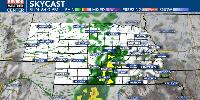
Last update: 2 hours agoWildlife: Nebraska Wildlife Rehab is treating a big brown bat with a fractured wing after it was struck with a broom inside a home. Outdoor Access: A Grand Island teacher won a $500 prize in the NRD Recreation Exploration Program, which encourages Nebraskans to visit natural areas across the state. Game and Parks also opened a new paddling trail at Gallagher Canyon, with routes through wildlife-rich backwaters and canals. Water: The Omaha Tribe celebrated a new $8.5 million water treatment plant, built after more than a decade of work and designed to quadruple capacity. Farming and Drought: A UNL team near North Platte is testing whether cover crops can conserve water and reduce nitrogen needs as some western Nebraska farmers face pumping shortages. A UNL climatologist, meanwhile, expects the state’s corn yield to finish in the low 180s per acre, below USDA’s 188-bushel estimate, citing drought and growing-season conditions. Weather: Showers crossed much of Nebraska through Monday, with rainfall varying widely by location.
Note: AI summary from news headlines; neutral sources weighted more to help reduce bias in the result. Feedback is welcome. Please let us know if you have any comments or suggestions about the AGP Executive Report.

 Perspectify News